A factsheet, not a sales pitch
A press kit helps a writer, curator or streamer understand what your game is, where to play the current build and which materials they may use. It is not a directory submission, a review or a promise of coverage. Start with the game name, creator credit, one clear sentence about the player’s action and goal, and a working public play link.
For a fictional example, imagine Lantern Ferry: ‘Guide a ferry between drifting islands, delivering lanterns before the tide hides each landing.’ This tells a reader more than ‘a revolutionary, award-winning adventure’. Lantern Ferry is an invented writing exercise, not a game in our collection. Keep the facts tied to your actual build; leave unknown details marked rather than making them up.
Record the build someone will actually play
A browser link can change after you send it. Record the version or build identifier and distinguish a demo, early build and released game. State the price, any paid content and whether an account is needed. If the release date is undecided, say so; a press kit does not need a fabricated launch date to look complete.
Describe controls and devices separately. ‘Keyboard movement and mouse aiming, checked in Chrome on a Windows laptop’ is a limited observation, not universal desktop support. For mobile, name the device and browser you really tested. Mention saving limitations and supported languages when relevant. Use the release checklist to keep your testing record separate from your promotional introduction.
Make assets usable and permission clear
Link to original-resolution screenshots that show actual play. Give each file a useful name, provide a separate logo when you have one, and identify a trailer as video rather than a playable build. A small, accurate selection is more useful than dozens of nearly identical images. Credit contractors and collaborators where their agreements require it.
Say how press and creators may use the assets, including any credit requirements or restrictions. Owning a screenshot does not automatically grant permission to redistribute licensed music or third-party artwork separately. The local builder lists public asset URLs as text: it does not upload files, create a ZIP, fetch images or verify your rights. You still need to host the source files and check their availability.
Separate public contact from private submission data
A public press address can end up copied into search results, articles or downloaded files. Use an address intended for public enquiries, not a private login or a review note. The builder never imports your account information. Its email checkbox starts off, and an entered email stays out of the preview and export until you explicitly include it.
Avoid signed storage URLs, session tokens and private preview links in a public kit. Use stable public HTTPS links. Our address validation checks syntax and rejects obvious private credentials; it cannot certify safety, ownership or availability. Keep embargoes and genuinely confidential materials out of this public document.
Official references
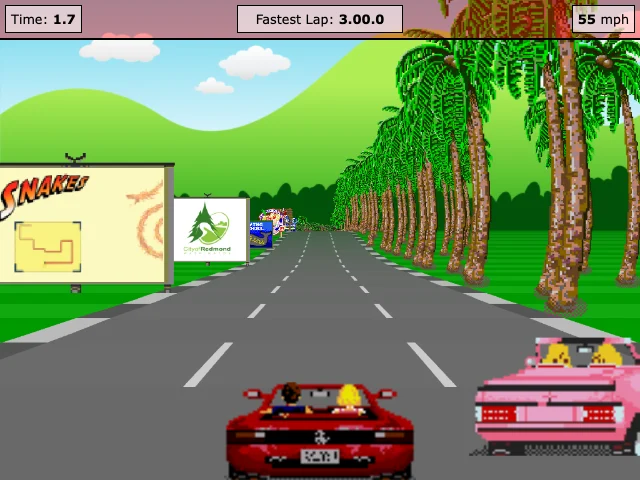
References checked: . The cover is a credited game screenshot, not output from this tutorial.
Keep going
Browser game guides
Practical reading for players and independent makers.
Game press kit builder
Prepare a public factsheet with gameplay, build notes and media links. Preview and export locally; no account needed.
Publish your browser game
Prepare a playable link, honest details, and a submission.
Release checklist
Record manual browser-game checks and download a preparation report. No remote scan or compatibility certification.