“Sprunki is the cleanest case study of iterative IP in browser-game SEO since Geometry Dash — and the gameplay is surprisingly thoughtful.”
~7-minute read · 4 sections
What is Sprunki, and why is it everywhere?
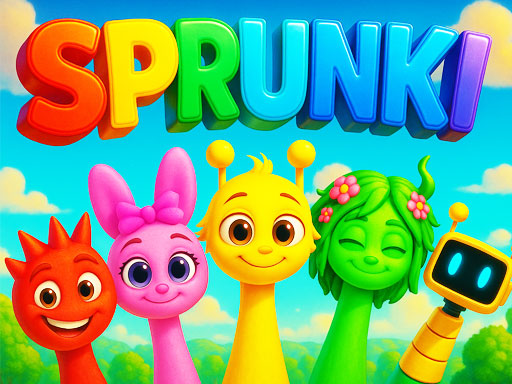
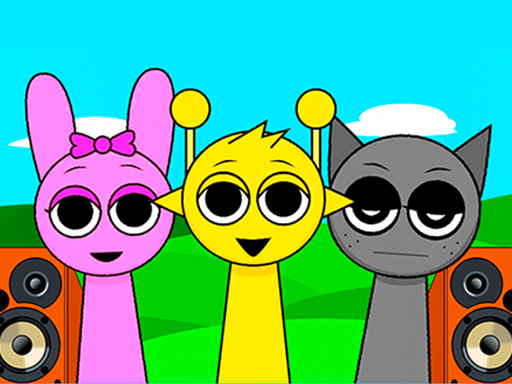
Sprunki is a music-puzzle browser game originally created by a small studio in 2023. Each phase is a self-contained iteration: same core loop (drag sound-emitting characters onto a stage, layered audio builds), different visual treatment, different unlock structure, different surprise endings.
The franchise's commercial trick is that each phase ranks separately on Google. 'Sprunki Phase 7' has its own search demand, 'Sprunki Phase 8' has its own search demand, and so on. Gameflare — the aggregator that locked down the canonical hosting deal early — captured the #1 ranking for almost every phase URL. The cumulative traffic across all phases approaches 200,000 monthly US searches.
From a player's perspective, the phases are not interchangeable. Some lean dark, some lean comic, some lean experimental. The ranking below sorts by how well each phase holds up an hour into play — not by which has the most search volume.
How we ranked them
Three criteria, each weighted equally. First: depth of the layering — does the audio system reward experimentation, or does every character sound roughly the same? Second: visual cohesion — is the art direction intentional or does it look like a placeholder asset pack? Third: discovery moments — does the phase reward you with secret unlocks, hidden character animations, or alternate endings?
We deliberately excluded download counts and play-time-per-session from the rubric. Those metrics correlate with marketing budget and link velocity, not with actual gameplay quality, and we wanted a ranking that survives the next phase drop.
Phase by phase
Phase 3 set the template. It's the cleanest distillation of the core loop and the easiest entry point for first-time players. The visual style is restrained, the audio mixing is the tightest of any phase, and the hidden-character unlocks set the expectation that future phases would have secrets.
Phase 4 added the first major audio-system iteration with a dramatic shift in pacing. It rewards patience: the layering doesn't quite click until you've spent ten minutes finding the right character combinations. Some players bounce off it; others say it's the best of the bunch.
Phases 5 and 6 are iteration without much innovation. Both are competent, both are skip-able if you've played Phase 3 and 4. Their value is in the search market — gameflare locked the rankings — not in the gameplay loop.
Phase 7 is the phase to play if you only play one. The audio system is fully mature here, the hidden interactions are the most rewarding of the run, and the visual direction (darker, more surreal) gives the layering a different feel than the bright pastels of Phase 3. Difficulty 16 in our long-tail data is no coincidence — this is the phase that organically broke out.
Phase 8 doubled down on the surreal direction. Some of the audio choices land; others feel like the team was experimenting publicly. Worth playing but not the highest-reward stop on the tour.
Phase 9 corrected back toward Phase 7's tone. Pleasant but not surprising. Phase 10 brought back some Phase 3 sensibilities and is the most accessible of the late-run phases. Both are recommendable; neither will redefine your sense of what the franchise is doing.